Few dates matter more to Albanians than 28 November. In Albania it is Independence Day. In Kosovo it is celebrated as Flag Day. In North Macedonia, Montenegro, Preševo and the diaspora, it is the day when the red flag with the black double-headed eagle hangs from balconies, cars and shop windows. To understand why, you need to know two moments in history that share the same date.
1443: Skanderbeg in Krujë
According to tradition, on 28 November 1443 Gjergj Kastrioti Skanderbeg raised his red flag with the black eagle over the castle of Krujë after leaving Ottoman service. It was the beginning of a resistance that lasted a quarter of a century and made him the central figure of Albanian national memory. The flag associated with his banner became the symbol that later generations would adopt.
1912: Ismail Qemali in Vlorë
Almost five centuries later, the Balkan Wars were redrawing the map of south-eastern Europe. Ottoman rule in the region was collapsing, and neighbouring states were advancing into lands where Albanians lived. On 28 November 1912, a national assembly gathered in the southern port city of Vlorë. Led by Ismail Qemali, it declared Albania independent, and the flag was raised from the balcony of the building where the delegates met.
The choice of date was not an accident. By declaring independence on the anniversary of Skanderbeg’s flag, the delegates linked the new state to the most powerful symbol of Albanian history.
The road from that declaration to a recognised and stable state was long. The borders agreed by the great powers in the following years left large Albanian populations outside the new country, including in Kosovo and in parts of present-day North Macedonia and Montenegro. That is one reason why 28 November is felt as a shared national day across borders, not only as the birthday of the Albanian state.
29 November
The celebrations in Albania usually run over two days, because 29 November is also a public holiday. It marks the end of the Second World War on Albanian territory in 1944. Together, the two days form one of the longest holiday weekends of the year.
How the day is celebrated
- Vlorë: official ceremonies are held around the Independence Monument and the Flag Square, often with the country’s leaders present.
- Tirana and Pristina: concerts, parades and fireworks, with crowds in Skanderbeg Square and on Mother Teresa Boulevard.
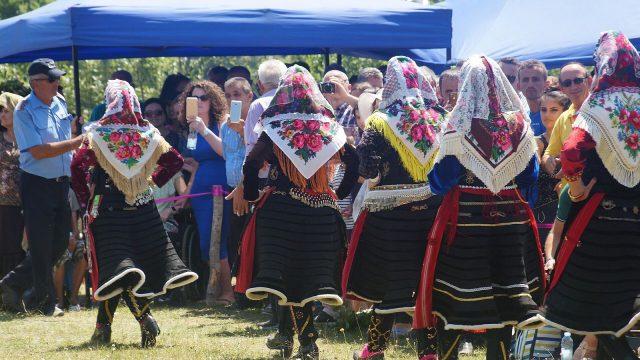
- Across the region: in Tetovo, Ulcinj, Preševo and other towns with Albanian communities, people gather in central squares with flags and music.
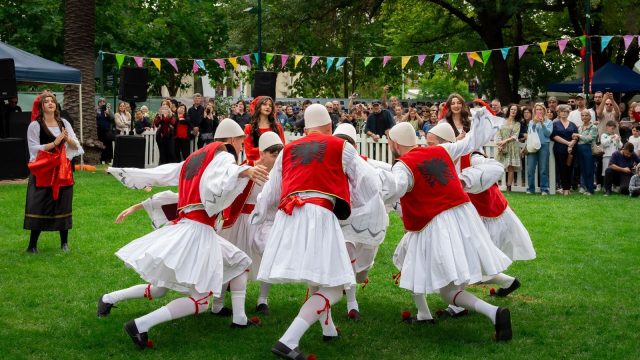
- In the diaspora: Albanian associations in Switzerland, Germany, Italy, the United Kingdom and the United States organise dinners, concerts and gatherings. For many families abroad, it is the most visible day of the year to show where they come from.
Expect traffic, honking cars and a festive mood. Restaurants and cafés are busy, and many families use the long weekend to travel or visit relatives.
The flag itself
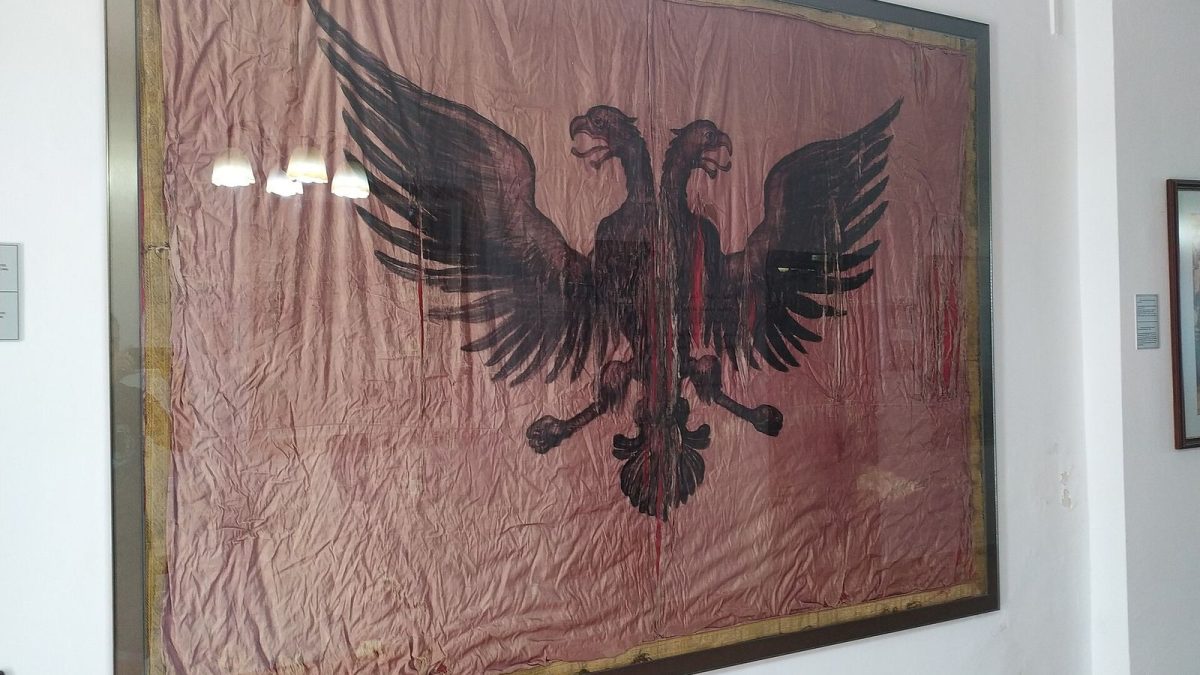
The Albanian flag is a red field with a black double-headed eagle in the centre. The eagle is a symbol with roots in Byzantine heraldry and was used by the Kastrioti family. In everyday life, Albanians often make the “eagle” with their hands: two hands crossed at the thumbs, fingers spread like wings. You will see it in stadiums, at weddings and in photographs on 28 November. It is a sign of pride, though in some contexts, such as international football, it has been seen as provocative.
If you are visiting
Being in Albania or Kosovo on 28 November is a good way to see how strongly people feel about national identity. It is a joyful day, and visitors are welcome to join the crowds. A simple “Gëzuar 28 Nëntorin!” (Happy 28 November!) will be appreciated.