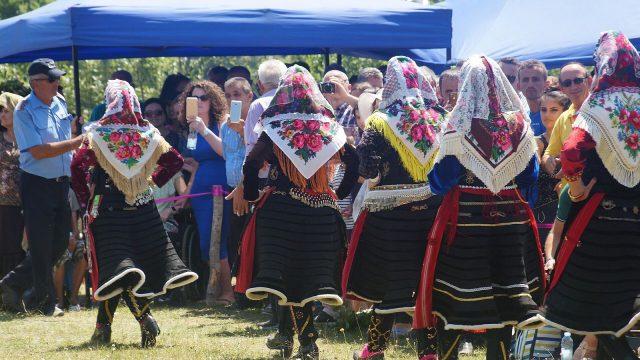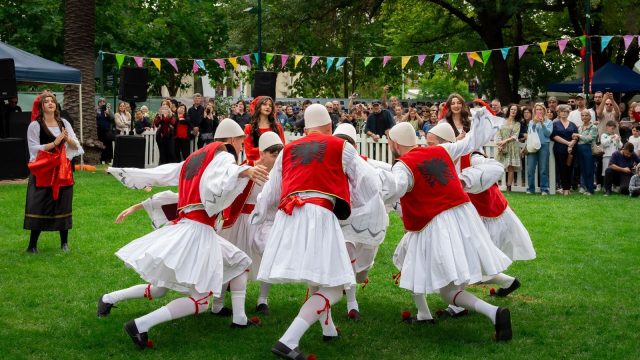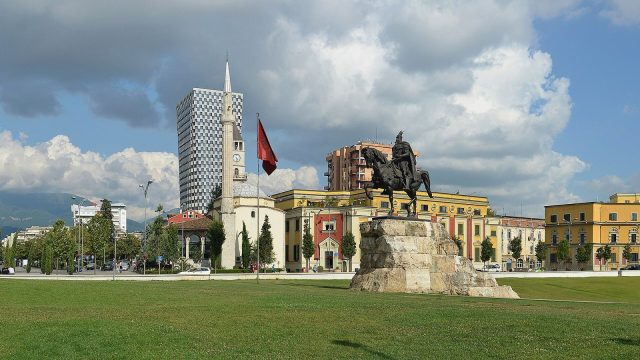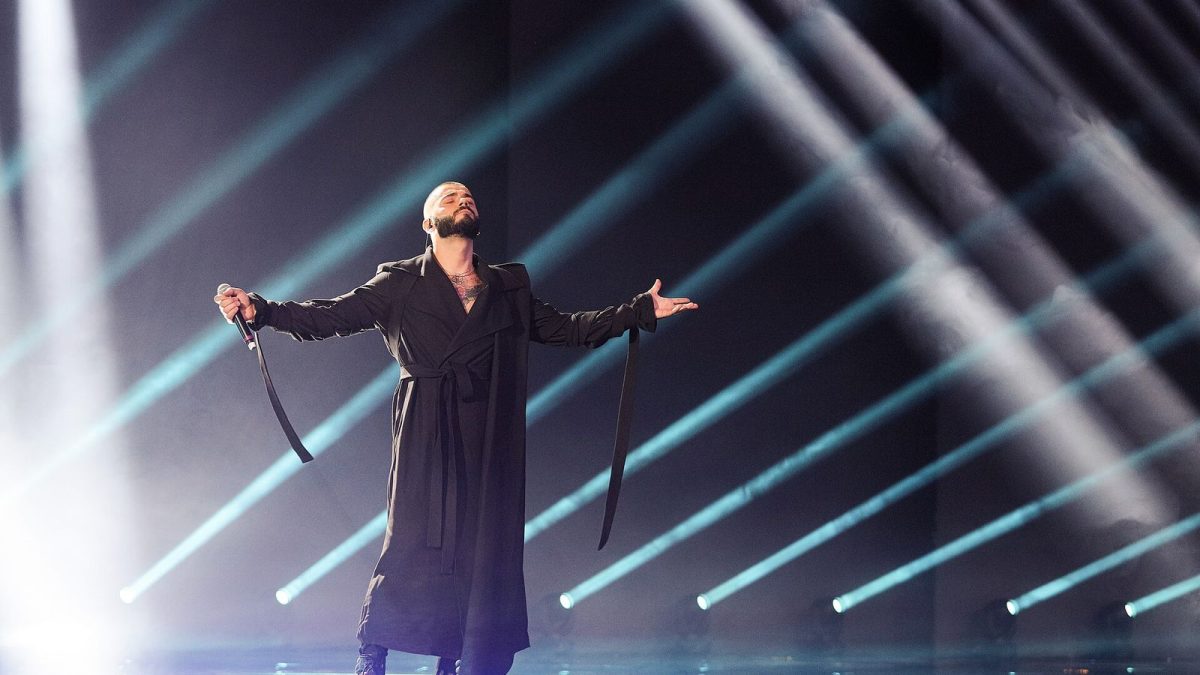
For many Albanian families, the end of the year means one television event: Festivali i Këngës, often shortened to FiK. Over several evenings, singers perform new songs in Albanian, a jury scores them, and one is crowned the winner. For more than two decades, that winner has also usually gone on to represent Albania at the Eurovision Song Contest.
A festival older than most of its audience
Festivali i Këngës was first held in 1962, during the communist period, by Albania’s state radio and television. For decades it was one of the most important cultural events in the country, a showcase for composers, lyricists and singers at a time when foreign music was heavily restricted.
It was not entirely free of politics. The festival of 1972 is remembered for exactly that reason: the event featured performances seen as too modern and Western-influenced, and the political reaction that followed led to sanctions against several of those involved. The episode is still discussed as an example of how tightly culture was controlled under the regime.
After the fall of communism in the early 1990s, FiK continued and gradually opened up to new styles (pop, rock, ballads and, later, electronic influences) while keeping the tradition of original songs in Albanian.
How the festival works
The format has changed over the years, but the basic structure is similar:
- Selection: composers and performers submit new songs; a committee chooses the participants.
- Semi-finals: songs are presented over several nights, often with live orchestra or band.
- Final: the remaining songs compete, and a jury, in some years combined with a public vote, chooses the winner.
Because the songs are performed in Albanian at FiK, many Eurovision entries are later revamped: shortened to Eurovision’s three-minute limit, rearranged, and sometimes translated into English. In recent years, Albania has frequently chosen to keep songs in Albanian on the Eurovision stage too.
Albania at Eurovision
Albania made its Eurovision debut in 2004 with Anjeza Shahini and “The Image of You”, finishing seventh in the final, a strong start for a newcomer.
The country’s best result to date came in 2012, when Rona Nishliu, a singer from Kosovo, performed “Suus”, a dramatic ballad sung in Albanian. Her powerful vocal performance took Albania to fifth place in the final in Baku.
| Year | Artist | Song | Note |
|---|---|---|---|
| 2004 | Anjeza Shahini | The Image of You | Debut; 7th in the final |
| 2012 | Rona Nishliu | Suus | Best result; 5th in the final |
Did you know? Kosovo is not a member of the European Broadcasting Union, so it does not compete at Eurovision. Singers from Kosovo, such as Rona Nishliu, have represented Albania after winning FiK.
Why FiK still matters
- A launchpad. Many of the best-known Albanian singers performed at FiK early in their careers.
- Original songwriting. The festival’s insistence on new songs in Albanian supports composers and lyricists.
- A shared ritual. Families in Albania, Kosovo, North Macedonia and the diaspora watch and debate the results together.
How to watch
FiK is broadcast by RTSH on television and online, usually in the second half of December. Performances are often uploaded afterwards to the broadcaster’s official channels. If Eurovision fans want to know early what Albania might send to the next contest, FiK is where to look.
Sources and further reading: Eurovision.tv contest archives; Radio Televizioni Shqiptar (RTSH) programme information; histories of Albanian popular music under communism.