Albania has two Ottoman-era towns that UNESCO describes as rare surviving examples of their kind: Berat in the centre of the country and Gjirokastër in the south. They are often visited on the same trip, and they make a fascinating pair, similar in history, very different in feel.
- UNESCO: Gjirokastër was inscribed in 2005; Berat was added in 2008 under the joint listing “Historic Centres of Berat and Gjirokastra”.
- Distance between them: about 3 hours by road.
- From Tirana: Berat about 2 hours; Gjirokastër about 3.5–4 hours.
- Recommended time: at least one night in each.
Berat: the city of a thousand windows
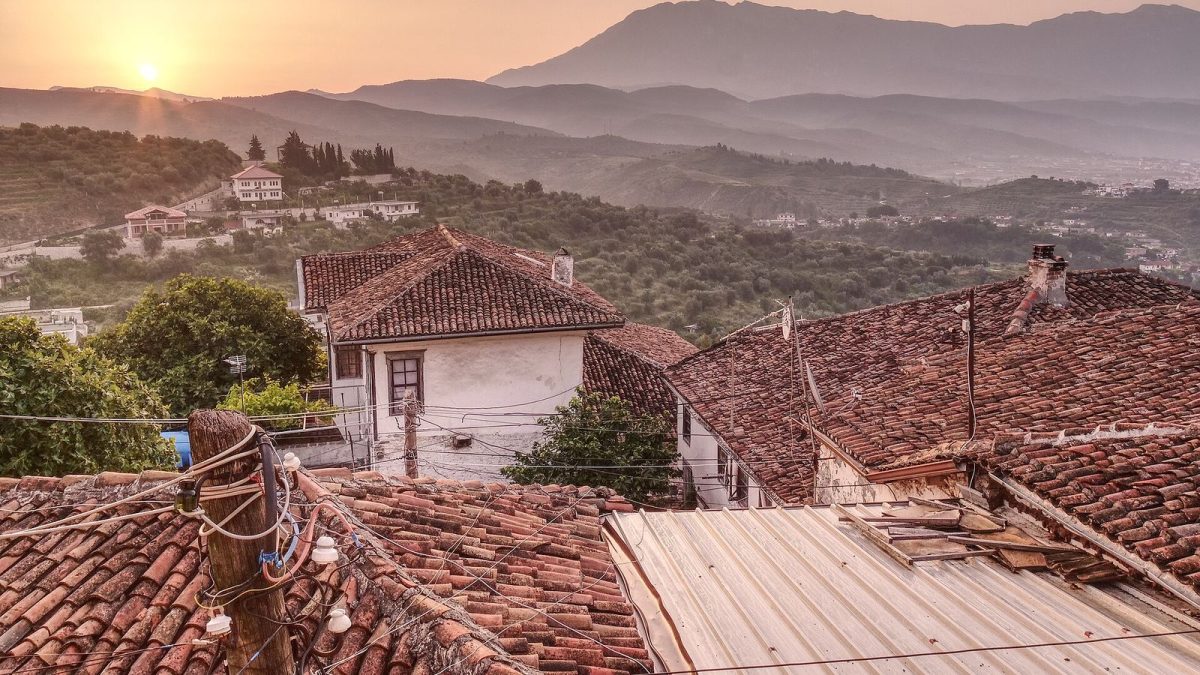
Berat sits on both banks of the Osum river beneath a hilltop citadel. Its nickname comes from the white Ottoman houses stacked on the slopes of the Mangalem quarter, whose rows of windows seem to look out over the river all at once.
What to see in Berat
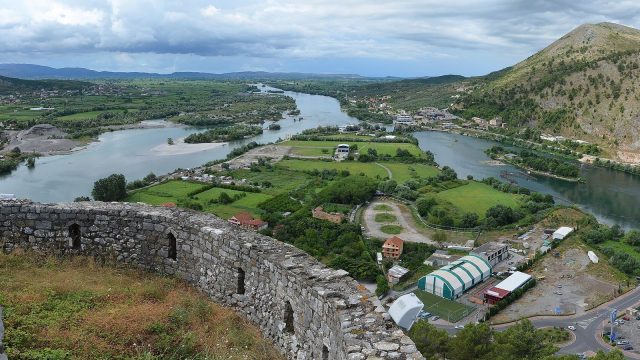
- The Kala (citadel). Unusually, the castle is still inhabited. Families live inside the walls among Byzantine churches, ruins and narrow lanes. Climb up for views over the valley.
- Onufri Iconographic Museum. Inside the Church of the Dormition of St Mary in the citadel, it displays work by Onufri, a sixteenth-century icon painter famous for a distinctive shade of red.
- Mangalem and Gorica. The two historic quarters face each other across the river, linked by the old Gorica bridge. Walk both sides for the classic view.
- The Ethnographic Museum. A traditional house showing how a well-off family lived, reception rooms, a loom room and storage cellars.
Around Berat
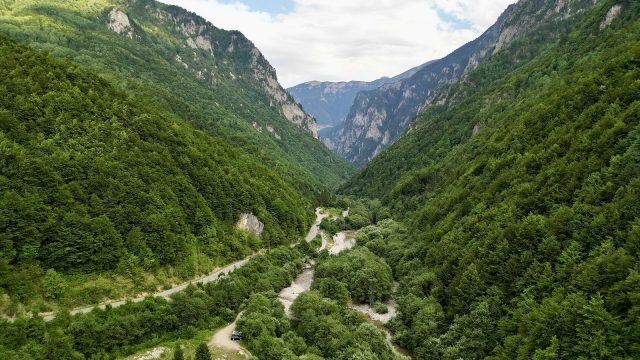
The Osum Canyon, about an hour south-east, is a dramatic gorge that can be rafted in spring. Berat is also at the centre of one of Albania’s wine regions, and several family wineries offer tastings of local grapes such as Shesh i Bardhë and Shesh i Zi.
Gjirokastër: the city of stone
Gjirokastër climbs the side of the Drino valley, its houses roofed with heavy grey stone slabs. The architecture is distinctive: tall, fortified “tower houses” (kullë) with thick walls, small lower windows and elegant reception rooms on the upper floors.
What to see in Gjirokastër
- Gjirokastër Castle. One of the largest castles in the Balkans, housing an arms museum and an old aircraft with a curious Cold War story. The castle is also the stage for the National Folklore Festival.
- Skenduli House and Zekate House. Two of the best-preserved Ottoman tower houses, both open to visitors, with painted ceilings, hidden cisterns and views from the top floors.
- The Old Bazaar. Cobbled streets lined with shops selling carved wood, lace, copper and local products.
- The Ethnographic Museum. Built on the site of the house where former communist leader Enver Hoxha was born.
- The Cold War tunnel. A large underground shelter built during the communist period, now open for guided visits.
Literary link: Gjirokastër is the birthplace of novelist Ismail Kadare. His novel Chronicle in Stone describes the town during the Second World War through a child’s eyes, an ideal book to read before you go.
Berat or Gjirokastër?
| Berat | Gjirokastër | |
|---|---|---|
| Atmosphere | Gentle, river-side, bright white houses | Dramatic, steep, grey stone |
| Signature sight | Inhabited citadel and Onufri Museum | Massive castle and tower houses |
| Walking | Steep climb to the citadel | Steep almost everywhere, wear good shoes |
| Nearby | Osum Canyon, vineyards | Blue Eye spring, Butrint, Saranda coast |
How to combine them
A classic route is Tirana → Berat (1–2 nights) → Gjirokastër (1–2 nights) → Saranda and Butrint. Buses and minibuses connect all of these places, though schedules can be informal; ask your guesthouse for current departure times. Renting a car gives flexibility, especially for the Osum Canyon and the Blue Eye spring near Gjirokastër.
When to go
Spring (April–June) and autumn (September–October) are ideal: pleasant temperatures for climbing the steep streets, and fewer visitors. Summer can be very hot in Berat, while Gjirokastër hosts most of its events then.
Food to try
- Qifqi: rice and egg balls flavoured with mint, a Gjirokastër speciality.
- Shapkat: a cornmeal pie with greens.
- Tavë kosi: baked lamb with yoghurt and egg, found across Albania.
- Local wine and raki: especially around Berat.
Berat and Gjirokastër are where Albania’s history is most visible in everyday streets. Spend the night in each, walk up early in the morning and late in the evening, and you will see why both are protected as World Heritage.
Sources and further reading: UNESCO World Heritage Centre, “Historic Centres of Berat and Gjirokastra”; Albanian National Tourism Agency; Ismail Kadare, Chronicle in Stone.