Albania’s national football team carries the colours of the flag, red and black, and the emotions of a country and a large diaspora. For much of its history it was an underdog. In the last decade it has become a team that qualifies for major tournaments and expects to compete. Here is the essential background for new fans and visitors.
Early history
The Football Association of Albania was founded in 1930 and joined FIFA two years later. Albania was also among the founding members of UEFA in 1954. During the communist period (1944–1990), the country’s isolation limited international football: the team played relatively few matches and at times withdrew from competitions altogether.
One notable early success came in 1946, when Albania won the Balkan Cup, a regional tournament played in Tirana, an achievement still cited in histories of Albanian football.
The modern era
After the fall of communism, Albanian football opened up to the world. Many talented players of Albanian descent grew up in Switzerland, Germany, Italy, Greece and Scandinavia, and the national team increasingly drew on this diaspora.
Euro 2016
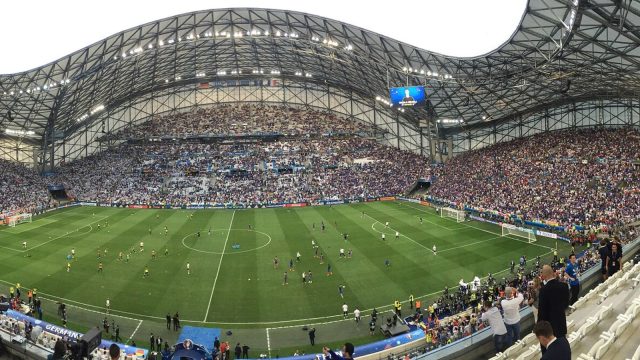
Under Italian coach Gianni De Biasi, Albania qualified for its first major tournament, Euro 2016 in France. A 1–0 win over Romania, with a goal by Armando Sadiku, was the country’s first victory at a major tournament. Albania narrowly missed the knockout stage as one of the third-placed teams.
Euro 2024
Under Brazilian coach Sylvinho, Albania topped its qualifying group ahead of the Czech Republic and Poland and reached Euro 2024 in Germany. In the tournament’s group stage, Nedim Bajrami scored against Italy after only 23 seconds, the fastest goal in the history of the European Championship finals. Albania drew with Croatia and lost to Italy and Spain, but the campaign confirmed the team’s progress.
The Air Albania Stadium
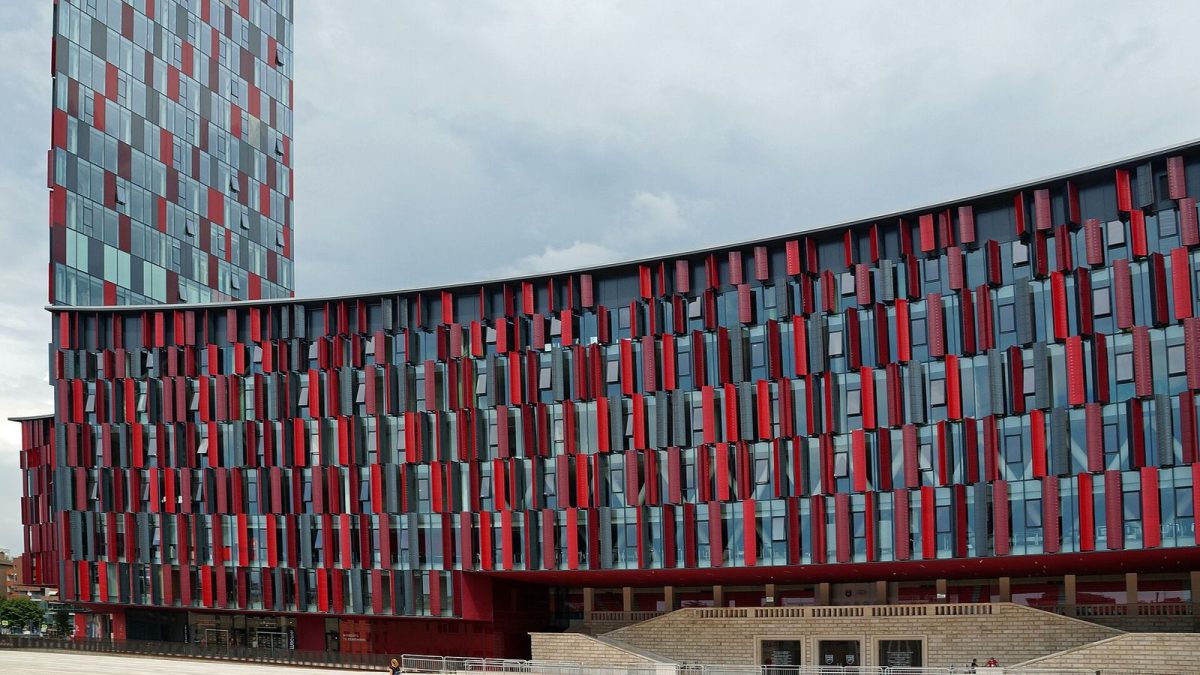
Albania plays most home matches at the Air Albania Stadium in central Tirana, built on the site of the old Qemal Stafa Stadium and opened in 2019. It holds around 22,000 spectators and is part of a complex that includes a hotel tower. The stands are steep and close to the pitch, so the atmosphere is intense on big nights.
Matchday tips: buy tickets only through the federation’s official channels, as big matches sell out quickly. Arrive early, security checks take time. The stadium is a short walk from Skanderbeg Square, so you can combine the match with dinner in the Blloku district afterwards.
The supporters
The main organised supporters’ group is Tifozat Kuq e Zi. Songs, flags and the double-headed eagle hand gesture are a constant feature at matches. Away games in Western Europe often feel like home games, thanks to diaspora fans from Switzerland, Germany, Italy and elsewhere.
Players with dual heritage
A recurring theme in Albanian football is the choice that players of Albanian background face: whether to represent Albania, Kosovo, or the country where they grew up. Some of the best-known examples played for Switzerland, while their siblings or teammates chose Albania. Since Kosovo joined UEFA and FIFA in 2016, players with Kosovar roots have had a third option, which has made the debate even more lively.
Rivalries and memorable matches
- Albania vs Serbia (2014). A Euro 2016 qualifier in Belgrade was abandoned after a drone carrying a flag flew over the pitch and violence broke out. The case went to the Court of Arbitration for Sport, which ultimately awarded Albania a 3–0 win, points that proved important for qualification.
- Portugal vs Albania (2014). A 1–0 away win at the start of the Euro 2016 campaign that announced Albania as a serious contender.
- Albania vs Italy (Euro 2024). Remembered for Bajrami’s record-breaking opening goal.
How to follow the team
- The FSHF publishes fixtures, squads and ticket information on its official website and social channels.
- Matches are broadcast in Albania and Kosovo on national and sports channels; abroad, check the UEFA or FIFA broadcaster lists for your country.
- Learn the basics: “Kuq e Zi!” is the universal chant.
Sources and further reading: Football Association of Albania (fshf.org); UEFA.com Euro 2016 and Euro 2024 match records; Court of Arbitration for Sport decision on Serbia–Albania (2015).