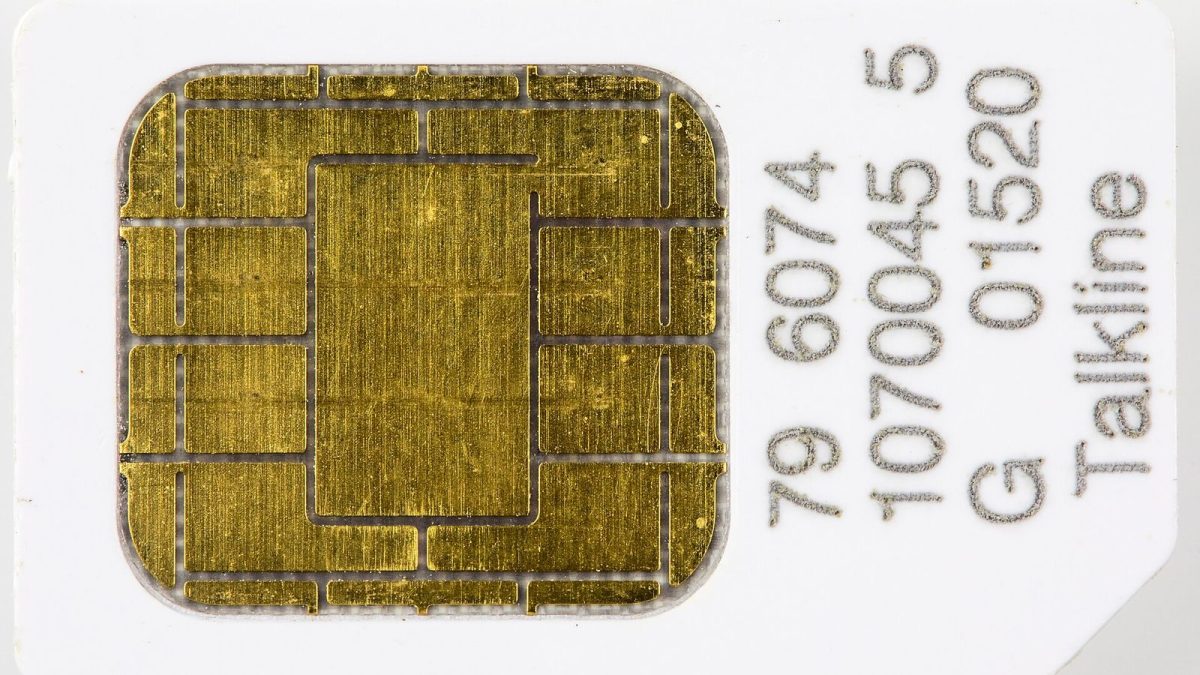
Your phone number has quietly become one of the keys to your digital life. Banks, email providers, social networks and messaging apps send login codes and password reset links to it. That makes the number valuable to criminals. In a SIM-swap attack, they do not need your phone at all. They only need your mobile operator to move your number to a SIM card they control.
How the attack works
- Research. The attacker collects information about you: your name, date of birth, address, sometimes the last digits of an ID number. Much of this can come from social media, data leaks or phishing messages.
- The request. They contact your operator, in a shop or by phone, pretending to be you. They claim the phone was lost or the SIM is damaged and ask for a replacement. In some cases, an employee is tricked or even bribed.
- The switch. Once the new SIM is activated, your number moves to the attacker’s phone. Your own SIM stops working.
- The takeover. The attacker now receives your SMS codes and calls. They use password reset options to get into your email, social media, and sometimes your bank or crypto accounts.
Warning signs
- Your phone suddenly shows no signal or “SIM not valid” in a place where it normally works.
- You receive unexpected messages from your operator about a SIM change or a new device.
- You get emails about password changes or logins you did not make.
- Friends tell you they received strange messages from your WhatsApp or social accounts.
If your phone loses service without a clear reason, do not wait for it to “come back”. Contact your operator immediately from another phone and ask whether your SIM has been changed.
How to protect yourself
1. Ask your operator for extra protection
Many operators allow you to add a PIN, password or extra verification that must be given before any SIM change or number transfer. Some only allow SIM replacement in person with an ID document. Ask what your operator offers and turn it on.
2. Use an authenticator app instead of SMS
Wherever possible, switch two-factor authentication from SMS codes to an authenticator app or a physical security key. Codes generated in an app on your phone cannot be redirected by moving your number. This matters most for your main email account, because email is used to reset almost everything else.
3. Lock your SIM with a PIN
Set a SIM PIN in your phone’s settings. It does not stop a SIM swap at the operator, but it stops someone who steals your phone from putting your SIM into another device and using your number.
4. Share less personal data
Be careful about posting your full date of birth, phone number and address publicly. Never give personal details or codes to someone who calls claiming to be from your bank or operator. Real staff will not ask you to read out a code you just received.
5. Protect your WhatsApp
Turn on two-step verification in WhatsApp (Settings, Account, Two-step verification) and choose a PIN. Even if someone gets your number, they will also need that PIN to register WhatsApp on a new phone.
If it happens to you
- Call your operator from another phone and ask them to block the new SIM and restore your number.
- Contact your bank straight away if you use mobile or online banking.
- Change the password of your main email account from a safe device, and check its recovery options.
- Review your social media and messaging accounts and log out other sessions.
- Report the incident to the police, especially if money was taken. Keep screenshots and dates.
SIM-swap fraud depends on speed and on the weakest link. A PIN at your operator, an authenticator app and a careful approach to personal data make you a much harder target, and attackers usually move on to someone easier.