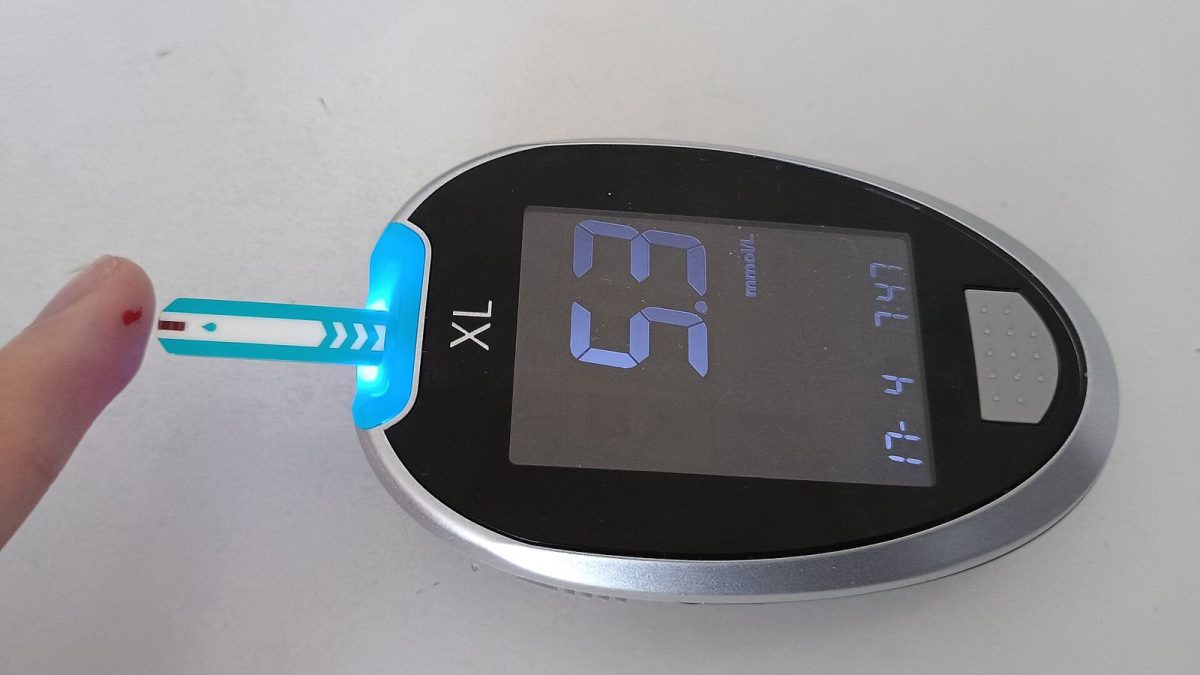
Type 2 diabetes rarely arrives suddenly. In most people, blood sugar levels rise slowly over years. The stage before diabetes, called prediabetes, is extremely common. In the United States alone, the Centers for Disease Control and Prevention (CDC) estimates that more than one in three adults has prediabetes, and most of them do not know it.
That matters because prediabetes is often reversible. Catching it early is one of the best things you can do for your long-term health.
What is happening in the body
After you eat, sugar (glucose) enters your blood. The hormone insulin helps move it into your cells, where it is used for energy. In type 2 diabetes, the body becomes resistant to insulin and, over time, cannot make enough to keep blood sugar in a healthy range. High blood sugar over many years can damage blood vessels and nerves, affecting the heart, kidneys, eyes and feet.
Warning signs
Prediabetes usually has no symptoms. When blood sugar rises higher, people may notice:
- Being very thirsty and urinating more often, including at night
- Feeling tired for no clear reason
- Blurred vision
- Cuts and sores that heal slowly
- Frequent infections, such as skin, gum or urinary infections
- Tingling or numbness in the hands or feet
- Unexplained weight loss
- Darker, velvety patches of skin, often on the neck or in the armpits (acanthosis nigricans), which can be a sign of insulin resistance
Because symptoms can be mild or absent, testing is the only reliable way to know.
Who has a higher risk
- People aged 35 or older, with risk rising with age
- People who are overweight, especially with extra fat around the waist
- Those with a parent, brother or sister with type 2 diabetes
- People who are physically inactive
- Women who had diabetes during pregnancy or have polycystic ovary syndrome
- People with high blood pressure or abnormal cholesterol
- Some ethnic groups, including people of South Asian, Black African, African Caribbean and Hispanic background
The tests
A doctor can diagnose prediabetes or diabetes with simple blood tests:
- HbA1c: shows your average blood sugar over roughly the past two to three months. It does not require fasting.
- Fasting plasma glucose: measures blood sugar after not eating overnight.
- Oral glucose tolerance test: measures how your body handles a sugary drink over two hours.
Thresholds differ slightly between health organisations, so ask your doctor to explain your result and what it means for you. If you are in a higher-risk group, ask about testing even if you feel fine.
Can prediabetes be reversed?
Often, yes. A large US study called the Diabetes Prevention Program found that people with prediabetes who lost a modest amount of weight (around 7% of body weight) and did about 150 minutes of moderate activity a week cut their risk of developing type 2 diabetes by more than half over the following years.
The changes with the strongest evidence are practical:
- Move more. Aim for at least 150 minutes a week of brisk walking or similar activity, spread over most days. A walk after meals helps lower blood sugar spikes.
- Lose a little weight if you are overweight. Even 5 to 7% makes a measurable difference.
- Cut sugary drinks. Soft drinks, sweetened teas and large fruit juices raise blood sugar quickly.
- Choose fibre-rich carbohydrates. Vegetables, beans, lentils and whole grains instead of white bread, white rice and pastries.
- Watch portion sizes, especially of bread, pastries and sweets, which are central to many traditional Balkan meals.
- Sleep and stress. Poor sleep and chronic stress can make blood sugar harder to control.
- Stop smoking. Smoking increases the risk of type 2 diabetes and its complications.
When to see a doctor
Book an appointment if you have any of the symptoms above, if you are in a higher-risk group and have not been tested in the past few years, or if a home or pharmacy test showed a high reading. Seek urgent care if you have extreme thirst, vomiting, confusion, rapid breathing or a fruity smell on the breath, which can be signs of dangerously high blood sugar.
This article is general information and does not replace medical advice. Talk to your doctor about testing and treatment that is right for you.