Many serious conditions develop quietly for years. High blood pressure, type 2 diabetes and several cancers often cause no symptoms until they are advanced. Screening tests aim to catch them earlier, when treatment is simpler and more effective.
Screening programmes differ between countries, and your doctor may recommend earlier or more frequent tests depending on your family history and health. The overview below summarises common recommendations, including those of the European Union’s Council Recommendation on cancer screening. Use it as a starting point for a conversation with your doctor.
For all adults
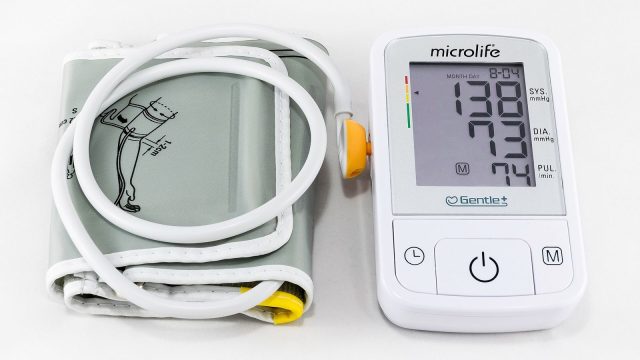
- Blood pressure: at least every few years from early adulthood, and every year from around 40 or if readings are high.
- Weight and waist measurement: to assess the risk of diabetes and heart disease.
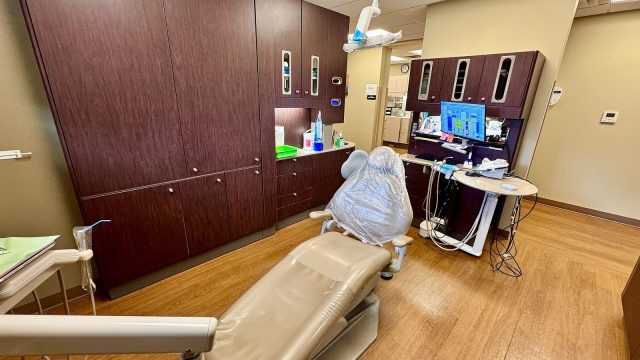
- Dental check-ups: regularly, as advised by your dentist.
- Vaccinations: keep tetanus and other recommended vaccines up to date, and follow advice on flu and other vaccines for your age group.
From your 20s and 30s
- Cervical screening (women): the EU recommends screening for women aged 30 to 65 using a test for human papillomavirus (HPV), usually every five years or more. Many countries start earlier, often from age 25.
- Sexual health checks: if you have new or multiple partners.
- Skin checks: know your moles and report any that change in size, shape or colour.
From your 40s
- Cholesterol and cardiovascular risk: many guidelines recommend a cardiovascular risk assessment from about 40, including cholesterol, blood pressure, smoking status and diabetes risk.
- Blood sugar: screening for prediabetes and type 2 diabetes, especially if you are overweight, have a family history or had diabetes in pregnancy.
- Breast cancer (women): the EU recommendation is mammography screening for women aged 45 to 74. Many national programmes start at 50 and invite women every two years.
- Eye tests: including checks for glaucoma, particularly if it runs in your family.
From your 50s
- Bowel (colorectal) cancer: the EU recommends screening for people aged 50 to 74, usually with a home stool test (FIT) every one to two years, followed by colonoscopy if the result is positive.
- Prostate cancer (men): routine PSA testing is not recommended for everyone, because it can lead to overdiagnosis. Men around 50, or earlier with a family history, should discuss the benefits and harms with their doctor. Some EU countries are piloting organised programmes.
- Lung cancer: screening with low-dose CT scans is offered in some countries to people with a long history of heavy smoking.
From your 60s and 70s
- Bone density: especially for women after menopause and anyone with risk factors for osteoporosis, such as previous fractures or long-term steroid use.
- Hearing and vision: regular checks help maintain independence and prevent falls.
- Abdominal aortic aneurysm: some countries offer a one-time ultrasound scan to men in their mid-60s.
Family history changes the plan
If close relatives had heart disease, diabetes, or breast, ovarian, bowel or prostate cancer, especially at a young age, tell your doctor. You may need screening earlier or more often, and in some cases genetic advice.
If you live between two countries
People who split their time between a country abroad and home in the Balkans sometimes fall through the gaps of both systems. Keep a simple record of your tests and results, share it with every doctor you see, and make sure invitations from national screening programmes reach your current address.
Screening is not the same as symptoms
Screening is for people without symptoms. If you notice warning signs such as a new lump, unexplained weight loss, blood in your stool or urine, a persistent cough or changes in a mole, see a doctor promptly. Do not wait for your next screening invitation.
This article is for general information and does not replace personal medical advice.