High blood pressure, or hypertension, is often called a silent condition. Most people feel perfectly well, while the extra pressure slowly damages blood vessels, the heart, the kidneys and the brain. It is one of the most important risk factors for heart attacks and strokes, and also one of the most treatable.
What the two numbers mean
A blood pressure reading has two numbers, measured in millimetres of mercury (mmHg), for example 128/82.
- Systolic (the top number) is the pressure in your arteries when the heart beats.
- Diastolic (the bottom number) is the pressure when the heart rests between beats.
Both numbers matter. In older adults the systolic number often rises more, and it is a strong predictor of risk.
How readings are classified
Different medical societies use slightly different categories. Two of the most widely used are:
European Society of Cardiology (2024 guidelines), office readings:
- Non-elevated: below 120/70
- Elevated: 120 to 139 systolic or 70 to 89 diastolic
- Hypertension: 140/90 or higher
American Heart Association and American College of Cardiology:
- Normal: below 120/80
- Elevated: 120 to 129 systolic and below 80 diastolic
- Stage 1 hypertension: 130 to 139 systolic or 80 to 89 diastolic
- Stage 2 hypertension: 140/90 or higher
The details differ, but the message is the same: risk starts rising well before 140/90, and lower is generally better for most adults, within limits set by your doctor.
Seek urgent medical help if your reading is 180/120 or higher, especially with chest pain, shortness of breath, severe headache, confusion, vision problems or weakness on one side of the body.
Why home measurements help
A single reading at the doctor’s office can be misleading. Some people have higher readings in clinics because of stress, often called “white coat” hypertension. Others have normal readings in the clinic but high readings at home. Regular home measurements give a clearer picture and help doctors make decisions.
How to measure correctly at home
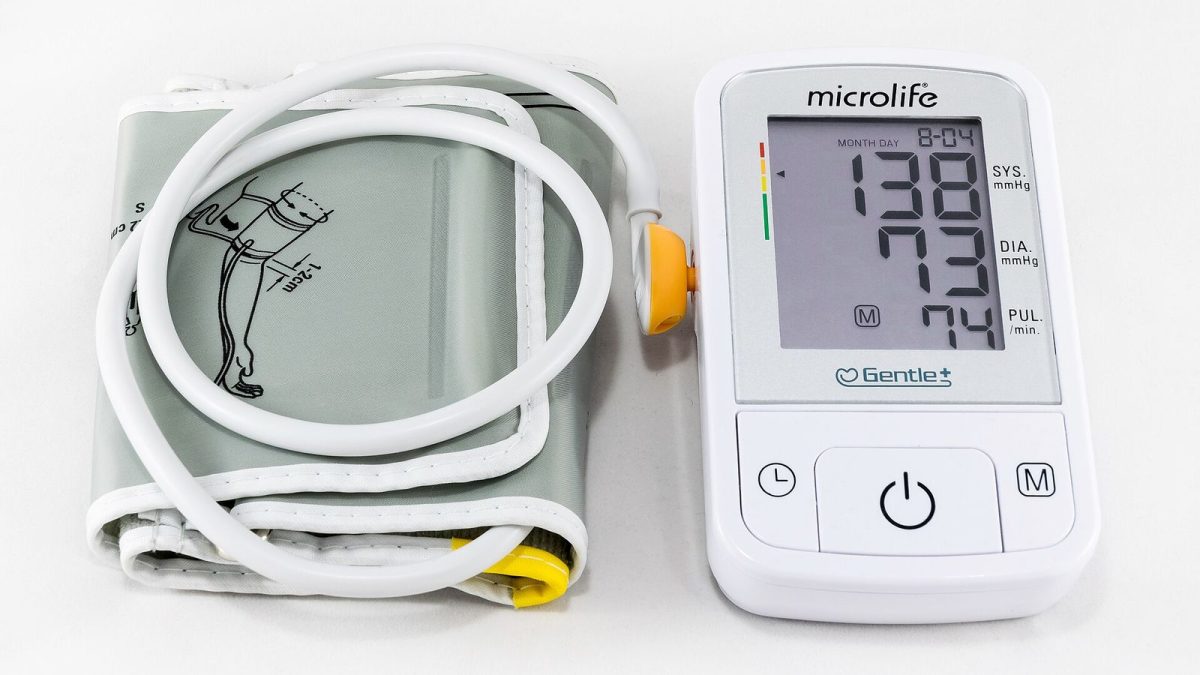
- Use a validated automatic upper-arm monitor with the right cuff size for your arm.
- Avoid coffee, smoking and exercise for 30 minutes before measuring.
- Empty your bladder, then sit quietly for five minutes with your back supported and feet flat on the floor.
- Rest your arm on a table so the cuff is at heart level. Place the cuff on bare skin.
- Do not talk during the measurement.
- Take two readings one minute apart, in the morning and the evening, and write them down or let the device store them.
Doctors often ask for a week of readings before deciding whether treatment is needed or working.
What lowers blood pressure
- Less salt. The World Health Organization recommends less than 5 grams of salt a day for adults. Much of it comes from bread, cheese, cured meats and ready meals, not the salt shaker.
- More vegetables, fruit, pulses and whole grains.
- Regular physical activity, such as brisk walking on most days.
- Weight loss, if you are overweight. Even a few kilograms can help.
- Less alcohol and no smoking.
- Better sleep. Untreated sleep apnea can raise blood pressure.
When medication is needed
If lifestyle changes are not enough, or if your risk is high, your doctor may recommend medication. Many effective and inexpensive medicines are available, and most people need more than one over time. Keep taking them as prescribed, even when you feel well, and do not stop without talking to your doctor.
This article is for general information and does not replace advice from your doctor.