In much of the Balkans, a visit to someone’s home may begin with coffee, or with a small glass of raki. It is part of hospitality, celebration and mourning alike. Many families still make their own, and arguments about whose raki is best are a regional tradition in themselves.
What raki is made from
| Type | Fruit | Notes |
|---|---|---|
| Raki rrushi / lozovača | Grapes (pomace or whole grapes) | The most common type in Albania and Kosovo; dry and clean. |
| Šljivovica | Plums | Especially associated with Serbia and Bosnia; Serbian šljivovica is on UNESCO’s intangible heritage list. |
| Raki mani / dudovača | Mulberries | Fragrant and prized in parts of Albania. |
| Kajsija, dunja, kumbulla | Apricot, quince, other plums | Aromatic fruit varieties made in smaller quantities. |
| Herbal raki (travarica) | Grape raki infused with herbs | Popular on the Dalmatian coast and elsewhere. |
How it is made
- Fermentation. Ripe fruit (or grape pomace left after winemaking) is crushed and left to ferment in barrels for several weeks.
- Distillation. The fermented mash is heated in a copper still (kazan). Alcohol evaporates first and is condensed into liquid.
- Separating the cuts. Experienced distillers discard the first portion (the “head”), keep the middle portion, and stop before the “tail”. This is the most important step for quality and safety.
- Resting. The raki is often rested, sometimes in wooden barrels, which can give a golden colour and softer taste.
Safety note: poorly made home distillates can contain harmful levels of methanol. Buy from reputable producers or trusted family sources, and never drink spirit of unknown origin from unlabelled bottles sold by strangers.
Autumn: raki season
September to November is distilling season. In villages across Albania, Kosovo, Serbia and North Macedonia, stills are set up in yards and the smell of fermenting fruit fills the air. Distilling days are social occasions where neighbours gather to help, taste the first drops and grill food over the fire.
How raki is served
- Small glasses. Raki is served in small stemmed or straight glasses, not in shots to be thrown back.
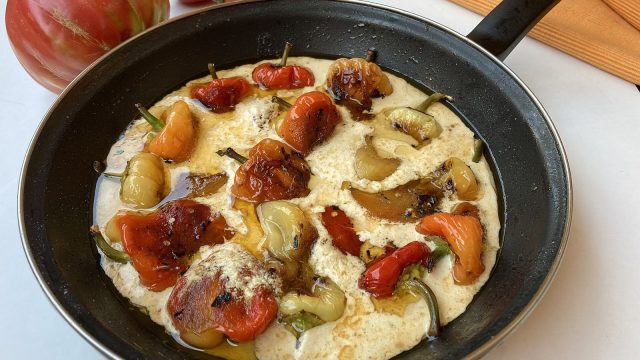
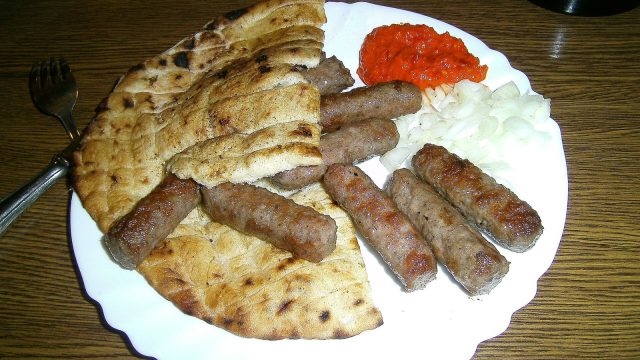
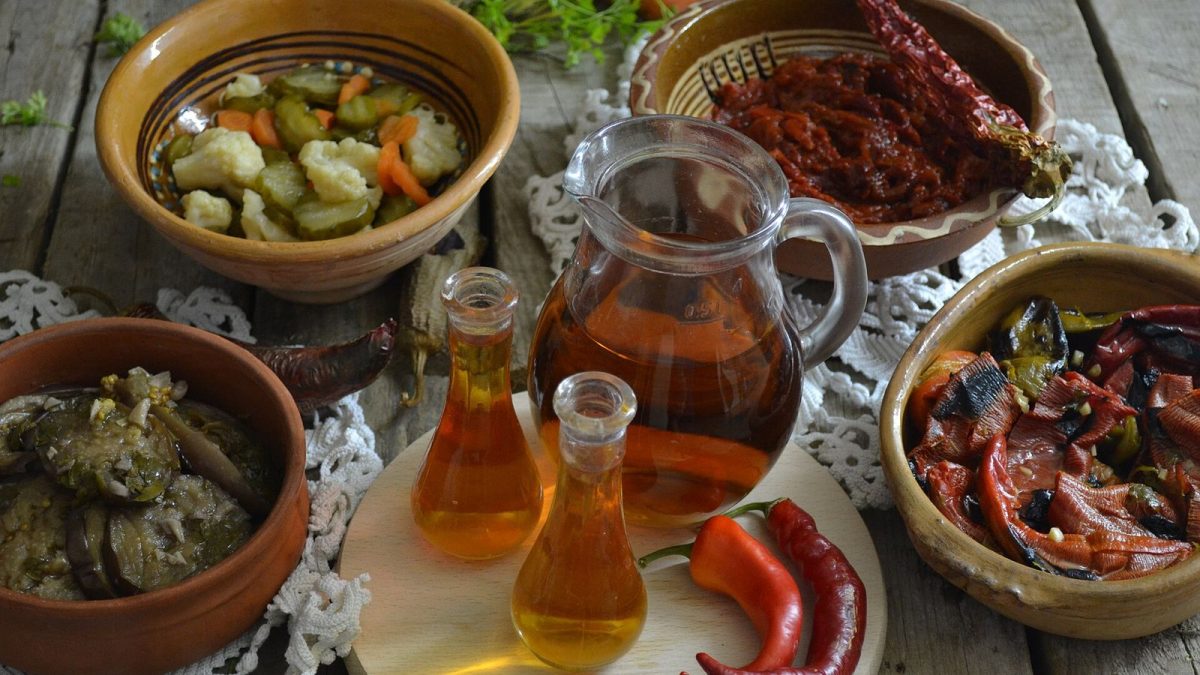
- With food. It is typically accompanied by meze: white cheese, olives, salads, pickles, cured meats or grilled vegetables.
- Slowly. A glass may last a long conversation.
- As a welcome. In many homes a guest is offered raki on arrival, especially in rural areas.
Toasting etiquette
Before the first sip, everyone raises their glass and makes eye contact. Common toasts include:
- “Gëzuar!”: Albanian, “cheers / be happy”.
- “Živeli!”: Serbian, Bosnian, Montenegrin, “to life”.
- “Na zdravje!” / “Na zdravlje!”: Macedonian and other South Slavic languages, “to health”.
Looking away during a toast is considered impolite in many places. It is also normal for a host to refill your glass as soon as it is empty ; if you’ve had enough, leave a little in the glass.
Raki in tradition
Raki is present at weddings, birth celebrations and holidays, but also at funerals and remembrance gatherings, where it is drunk in memory of the deceased. In folk medicine it has been used to clean wounds or rubbed on the chest for colds ; practices that modern medicine would not recommend, but that show how embedded the drink is in daily life.
Drinking responsibly
Raki is strong. Pace yourself, eat while drinking and alternate with water. Declining politely is acceptable: saying you are driving or simply “no thank you, I’m fine” (“Faleminderit, mjafton” in Albanian) is understood. Non-drinkers can join the toast with water or juice.
Sources and further reading: UNESCO Intangible Cultural Heritage, “Social practices and knowledge related to the preparation and use of the traditional plum spirit – šljivovica” (Serbia, 2022); World Health Organization guidance on methanol poisoning.